Resources

Simulation Publishing Program

Case Studies & Articles

Feature & Scenario Requests

Evidence Backed Approach

Frequently Asked Questions

Turn Written Scenarios into Immersive AI-Powered Simulations

Turn existing NLN scenario design worksheets into immersive, emotionally responsive AI simulations without losing your original teaching intent.

Your pedagogy, preserved

Learning objectives, cues, roles, and evaluation criteria map directly into the authoring flow.

Clinical Judgment Model aligned

Scenarios reinforce clinical judgment, communication, and equitable care.

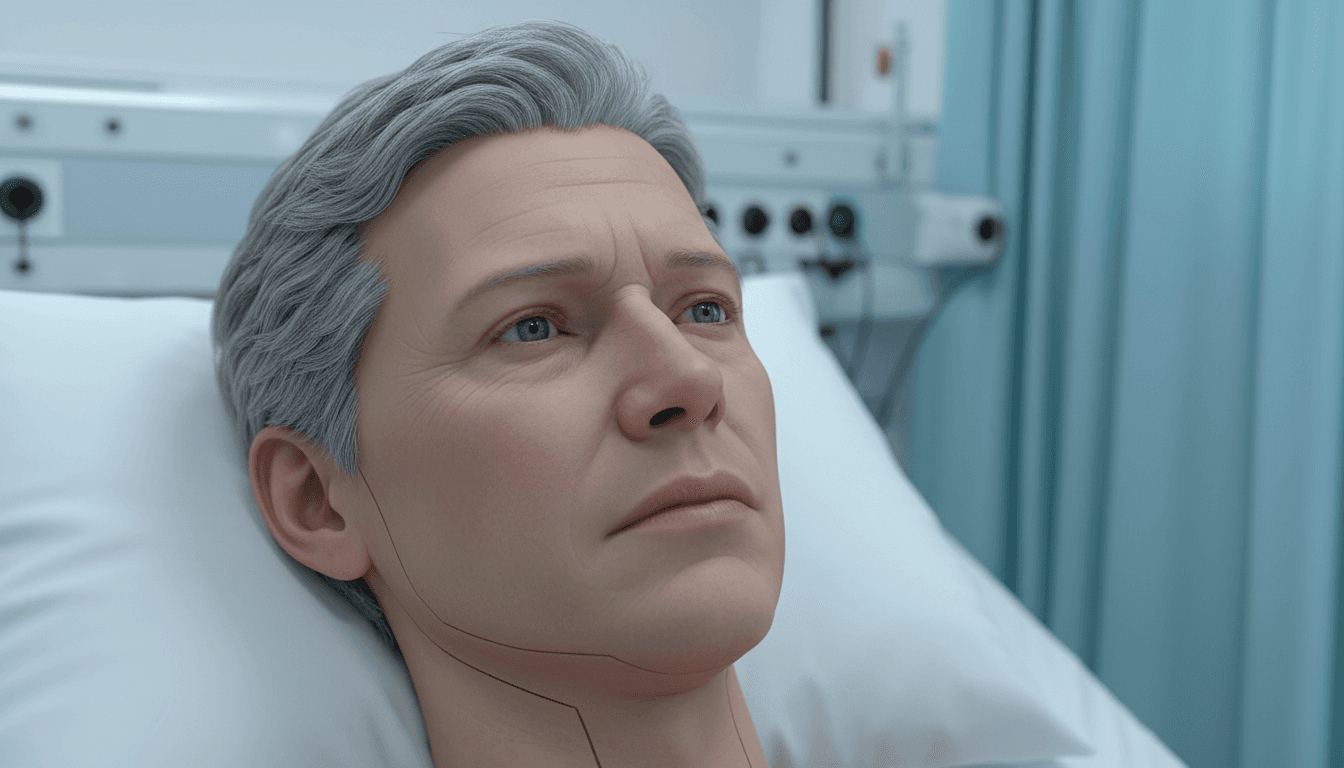
Realistic, emotionally responsive practice

AI patients and family members respond with memory, mood, and affect based on learner decisions.

Designed for efficient publishing

Templates and examples help move from paper-based cases to published simulations quickly.

Turn Written Scenarios into Immersive AI-Powered Simulations

Turn existing NLN scenario design worksheets into immersive, emotionally responsive AI simulations without losing your original teaching intent.

Realistic practice

AI patients with memory, mood, and affect respond to learner choices and communication.

Designed for efficient publishing

Templates and examples help move from paper-based cases to published simulations quickly.

CJM aligned

Build scenarios that reinforce clinical judgment, communication, and equitable care.

Fast, efficient to publishing

Templates and examples help you go from paper to practice quickly.

How it works
Start with an idea or teaching goal

Bring an outline, an NLN worksheet, or even just a clinical insight you want learners to experience.

Collaborate on the scenario design

Our team works with you to shape objectives, cues, roles, and decision points that reflect real clinical practice.

Bring patients and families to life

Together, we develop emotionally responsive AI characters with clinical context, history, and realistic behavior.


Review, refine, and publish

Validate the learning flow, assessment, and debrief experience, then publish the simulation inside Patient Ready.

Frequently asked questions

Can VR replace clinical hours in nursing education?

Can VR replace clinical hours in nursing education?

How does Patient Ready support NCLEX readiness? 

How does Patient Ready support NCLEX readiness? 

What is the ROI of VR in nursing programs?

What is the ROI of VR in nursing programs?

Is VR hard for faculty to learn?

Is VR hard for faculty to learn?

Can students use VR outside the classroom?

Can students use VR outside the classroom?

Will AI increase my workload?

Will AI increase my workload?

What does “AI-powered” mean in clinical simulation?

What does “AI-powered” mean in clinical simulation?

How is AI simulation different from traditional VR or virtual simulation?

How is AI simulation different from traditional VR or virtual simulation?

Is AI simulation safe and appropriate for nursing education?

Is AI simulation safe and appropriate for nursing education?

How does Patient Ready support accreditation and program review?

How does Patient Ready support accreditation and program review?

Can AI simulation support remediation and individualized learning?

Can AI simulation support remediation and individualized learning?

How realistic are the patient interactions?

How realistic are the patient interactions?

Does AI replace faculty judgment or evaluation?

Does AI replace faculty judgment or evaluation?

How long does it take to implement AI-powered VR in a nursing program?

How long does it take to implement AI-powered VR in a nursing program?

What equipment or IT support is required?

What equipment or IT support is required?

How do students respond to AI-powered simulation?

How do students respond to AI-powered simulation?

Real clinical learning without real-world risk. From first semester to practice ready.